✦ FEATURED EBOOK The Unwanted Marriage → PDF + EPUB

Historical Herbal Books: How to Read Classic Herbals Safely
Discover five historical herbal books, what they reveal about plant knowledge and publishing, and how to read them responsibly today.

An old herbal book can feel like a doorway into another world. Plants are grouped by names that have changed, descriptions move between folklore and observation, and everyday gardens become places of stories, trade and traditional knowledge. If you collect or read historical herbal books, the fascination lies in understanding how people of another period described the natural world.
The essential distinction is between historical interest and current medical guidance. These works preserve older ideas, terminology and treatments. They were not written or reviewed using modern standards of safety and evidence, and they should never be treated as instructions for diagnosing or treating illness.
What is a herbal book?
Traditionally, a herbal is a book that describes plants and their properties or uses. Its audience could include household readers, gardeners, collectors and practitioners working within the medical ideas of their time. Some volumes emphasize practical identification, while others combine common names, legends, cultivation notes and medicinal claims.
Because these books were created in different centuries and places, their plant names may not map neatly onto modern classifications. Translations, local names and historical illustrations also vary. A reader researching a plant should confirm its identity with current botanical references and should not infer safety from a historical description.
1. The Complete Herbal — an influential early herbal
The Complete Herbal, associated with seventeenth-century herbal writer Nicholas Culpeper, is one of the better-known English-language texts in this tradition. It reflects a period in which plant descriptions, astrology and prevailing medical theories could appear side by side.
Read it to explore historical vocabulary, the relationship between gardens and households, and changing attitudes toward health. The coexistence of observation and older theories is precisely why historical context is so important: its remedies should not be adopted as modern clinical recommendations.
2. The Book of Herbs — plants in daily life
The title The Book of Herbs suggests a broader cultural route into the subject. Rather than looking only for medical claims, ask how the text describes cultivation, fragrance, symbolism and the role of herbs in domestic spaces.
This can be an appealing choice for readers interested in the language of gardens, food history and the ways a plant can carry different meanings in different traditions. When the author offers a treatment or medicinal assertion, place it in the book’s historical setting rather than acting on it.
3. Weeds Used in Medicine — changing ideas of usefulness
Weeds Used in Medicine invites a particularly interesting reading question: when does one culture call a plant a weed and another call it useful? Terms such as “weed” describe human relationships with plants as much as the plants themselves.
Use the book to investigate how older writers categorized ordinary vegetation and to notice what counts as evidence in its pages. A record that a plant was used historically does not by itself establish that the use is effective or safe.
4. Ginseng and Other Medicinal Plants — plants and commerce
Ginseng and Other Medicinal Plants provides a chance to think about the intersection of plants, demand and cultivation. Historical botanical writing was often connected to trade, collecting and the search for valuable crops.
For a modern reader, questions about geography, naming and economic history can be as revealing as the text’s medical claims. Resist the temptation to interpret an older book’s marketing language as proof of therapeutic benefit.
5. Mother’s Remedies — the household reference tradition
Mother’s Remedies represents another side of older health publishing: the wide-ranging household reference. These works can help historians see the concerns, domestic roles and advice networks of their period.
Its value today is as a document of how advice circulated, not as a home-treatment manual. Especially with books that include directions for medicines or symptoms, the safest way to read is to study the language and context without trying the preparations.
Five useful questions to ask while reading
- When and where was this edition written? Scientific knowledge and common plant names vary across time and place.
- Is the passage describing folklore, observation or a claimed treatment? These should not be treated as equivalent evidence.
- What name does the plant have today? Historical common names can be ambiguous.
- Who was the intended audience? A gardener’s guide, household manual and professional reference make different assumptions.
- Can the claim be checked through modern, qualified sources? Do not act on the older text in place of professional advice.
How to organize a historical herbal reading notebook
One enjoyable approach is to maintain a notebook with a page for each plant name, the book in which it appears and the historical context. Record uncertain spellings as written, then leave a separate column for verified modern taxonomy from a reputable botanical database. Keep claims about traditional uses clearly labeled as historical statements.
You can also compare how two books describe the same garden plant. Are the descriptions concerned with appearance, household practice, symbolism or commercial value? This turns the collection into a thoughtful reading project, rather than a set of instructions to copy.
Explore five historical herbal ebooks
The VERSOVISTA editions below make it easier to read across this fascinating historical genre. Each page identifies the title and digital format; none of these older works should be used to make health decisions without qualified professional guidance.
Browse the historical herbal reading shelf
 The Complete HerbalEXPLORE EBOOK →
 The Book of HerbsEXPLORE EBOOK →
 Weeds Used in MedicineEXPLORE EBOOK →
 Ginseng and Other Medicinal PlantsEXPLORE EBOOK →
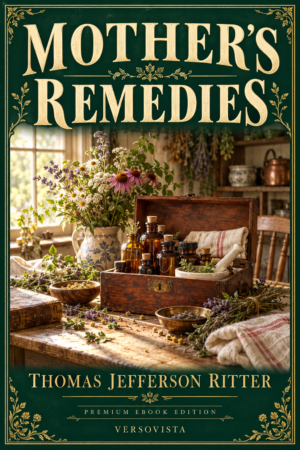 Mother’s RemediesEXPLORE EBOOK →
Check the book page for the edition description and available download formats.
Frequently asked questions
Can I follow remedies from a historical herbal?
No. Historical remedy instructions can be outdated, misidentified or unsafe. For health decisions, consult a qualified clinician and current reliable guidance.
Are historical herb books useful for studying botany?
They can be valuable historical sources for changing plant names, illustrations and cultural attitudes. For present-day identification or safety information, consult modern botanical references.
Which book should I start with?
Try The Book of Herbs for broad cultural curiosity, or The Complete Herbal to understand a famous strand of early English herbal literature.
Continue exploring
For a general introduction to older books and their historical context, see our guide to reading classic literature. To compare traditional references with older texts, read our guide to The Lost Book of Herbal Remedies and our beginner’s herbal reference book checklist. For digital reading, explore PDF versus EPUB formats.
[…] the others are especially useful for understanding how plant writing changed over time. Our historical herbal books guide develops those differences […]